Black Friday: An Economic Engine and Deep Analysis of Its Role in Revitalizing Markets
A comprehensive analysis of Black Friday as a global economic phenomenon, its role in stimulating consumer demand, market dynamics, and its impact on various sectors, with an emphasis on the importance of deep economic analysis.
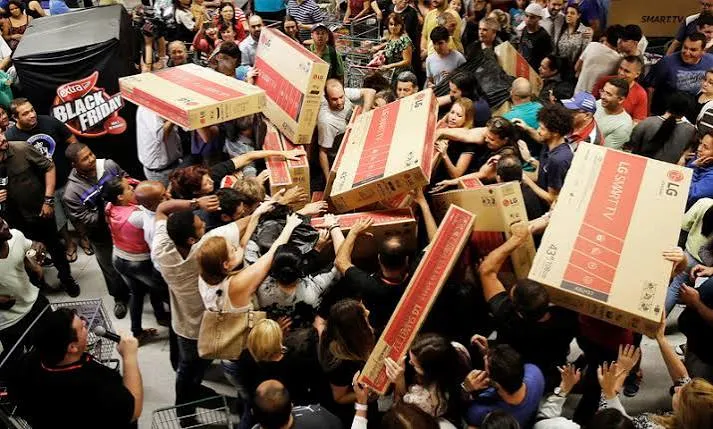
Black Friday, which has evolved from a mere American tradition into a global commercial phenomenon, represents an annual turning point in market dynamics, reshaping consumption patterns and significantly impacting the economic performance of many countries. It is a period characterized by shopping fever and substantial discounts, necessitating in-depth economic analysis to understand its mechanisms, effects, and the short-term and long-term challenges it poses.
Origins and Evolution of Black Friday as an Economic Phenomenon
Black Friday began as a name given to the Friday after Thanksgiving in the United States, originally referring to significant traffic congestion. Over time, it became associated with the day when retailers' accounts turn from red (loss) to black (profit) due to massive sales. This phenomenon evolved into a global event, driven by globalization and the spread of e-commerce, now covering markets from Asia to Europe and the Middle East and North Africa region, highlighting its adaptability and expanding influence.
Recent years have witnessed a notable transformation in the nature of Black Friday with the rise of e-commerce. It is no longer confined to physical stores but has extended to online shopping platforms that offer round-the-clock deals and discounts, providing wider consumer access and greater ease of purchase. This digital transformation has altered corporate strategies and marketing methods, increasing the complexity of the economic landscape surrounding this event.
Economic Mechanisms and Market Stimuli
Black Friday primarily relies on the principle of stimulating consumer demand. By offering attractive discounts and deals, consumers are encouraged to make purchases, whether to satisfy deferred needs or for planned holiday season shopping. This sudden surge in demand helps retailers clear inventory, move capital cycles, and inject liquidity into the economy.
- Increased Consumer Spending: Black Friday is a major catalyst for increased consumer spending, which accounts for a significant portion of GDP in many economies.
- Inventory Turnover: This period helps companies clear old or slow-moving inventory, making way for new goods and reducing storage costs.
- Price Competition: Intense competition among stores leads to lower prices, benefiting consumers and encouraging companies to innovate in their marketing offers.
- Responding to Demand Elasticity: Retailers benefit from the high elasticity of demand for products during this period, as consumers are more willing to purchase at discounted prices.
Impact of Black Friday on Economic Sectors
Traditional and E-commerce Retail Sector
Sales in the retail sector reach record highs during the Black Friday period. This includes not only major department stores but also specialized shops that benefit from the spending surge. Statistics show that the volume of e-commerce significantly multiplies, enhancing the sector's position and highlighting the importance of investing in digital infrastructure and delivery services.
Logistics and Shipping Sectors
The logistics and shipping sector is considered the backbone of Black Friday's success, especially with the growth of e-commerce. Shipping companies face significant challenges in handling the enormous volume of orders, requiring substantial investments in warehouses, transport fleets, and tracking technology. This seasonal demand creates temporary job opportunities and revitalizes the sector overall.
Technology and Digital Services Sector
Black Friday provides a strong boost to the technology sector through the need to develop and improve e-commerce platforms, secure digital payment systems, digital marketing tools, and data analytics. Innovation in these areas becomes crucial to ensure a smooth and effective shopping experience.
Challenges and Criticisms of Black Friday
Despite its economic benefits, Black Friday raises some criticisms and challenges. Among the most prominent is the pressure on small businesses that may not be able to compete by offering similar discounts. Some studies also indicate that it encourages unsustainable consumption and negatively impacts the environment due to increased production, shipping, and waste.
Future Outlook for Black Friday
Black Friday is expected to continue its evolution, with an increasing focus on sustainability and corporate social responsibility. We may see shifts towards offers more focused on eco-friendly products, or campaigns encouraging conscious purchasing rather than excessive consumption. The integration of new technologies like artificial intelligence and augmented reality will also enhance the shopping experience and provide accurate analytics of purchasing patterns.
In conclusion, Black Friday is a complex and multifaceted economic phenomenon. While it provides a powerful engine for economic growth and spending stimulation, it also calls for critical analysis of the environmental and social challenges it raises. Understanding these dynamics is essential for economic analysts and policymakers alike to ensure the sustainability and effectiveness of this phenomenon in the future.
