Conference Tourism and its Role in Supporting the Jordanian Economy
This article highlights the strategic importance of conference tourism as a vital economic driver for Jordan, showcasing its contributions to boosting revenues, creating job opportunities, and supporting sustainable development, while offering recommendations for decision-makers to leverage this promising sector.
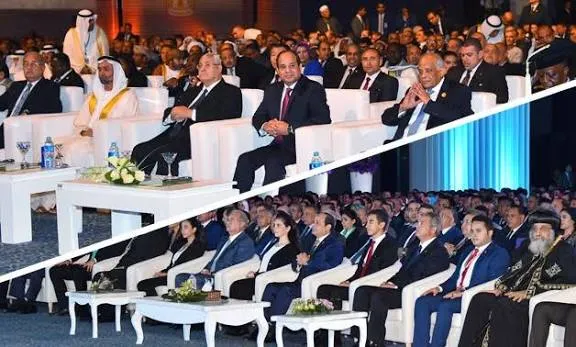
Conference tourism, also known as the Meetings, Incentives, Conferences, and Exhibitions (MICE) industry, is a fundamental pillar for the economies of many countries worldwide, owing to its ability to attract high value-added investments and revenues. In the context of the Hashemite Kingdom of Jordan's development aspirations, this sector stands out as a strategic opportunity to support the national economy and enhance Jordan's position as a global destination for business and knowledge. This article aims to analyze the economic dimensions of conference tourism and its pivotal role in driving sustainable development in Jordan, guiding decision-makers to build a comprehensive vision for leveraging this promising sector.
The Strategic Concept of Conference Tourism
Conference tourism is not limited to merely organizing events; rather, it is an integrated system that contributes to the exchange of expertise and knowledge, encourages innovation, and strengthens commercial and diplomatic relations. It attracts segments of visitors with higher spending compared to traditional leisure tourism, and they tend to stay for longer periods, thereby multiplying its economic and social benefits.
Economic Drivers of Conference Tourism in Jordan
Conference tourism contributes directly and indirectly to supporting the Jordanian economy through several channels, making it an effective tool for achieving economic development.
Boosting Direct and Indirect Revenues
- Increased Hotel and Accommodation Revenues: The hotel sector directly benefits from the accommodation of delegations and conference participants, especially higher-category hotels.
- Support for the Service Sector: This includes food and beverage services, transportation, car rentals, and translation and organization services.
- Stimulating the Retail and Handicrafts Sector: Conference participants tend to shop and purchase souvenirs, which supports local industries.
- Attracting Foreign Investments: Conferences can serve as a platform for attracting new investments and facilitating business deals between local and international companies.
- Collection of Fees and Taxes: Economic activities associated with conferences contribute to increasing government revenues from fees and taxes.
Job Creation
Conference tourism provides direct job opportunities in the hospitality, events, and logistics sectors, as well as indirect job opportunities in support sectors such as security, maintenance, marketing, and communications, thereby contributing to reducing unemployment rates and enhancing individual incomes.
Supporting Local Sectors
Many local sectors benefit from the increasing demand for their products and services, from local food suppliers to manufacturing companies for supplies, and artists and artisans showcasing their works, which stimulates growth in the local value chain.
Challenges and Opportunities for Jordan
Jordan faces challenges in the competitive conference tourism market, yet it also possesses strengths and promising opportunities that can be leveraged to enhance its position.
Jordan's Strengths
- Strategic Geographic Location: Jordan is located in the heart of the Middle East and North Africa region, making it easily accessible.
- Security and Political Stability: Jordan enjoys a good reputation for stability, a crucial factor for attracting major events.
- Rich Cultural and Historical Heritage: Jordan possesses unique historical and cultural sites that can be integrated into conference programs.
- Relatively Developed Infrastructure: Jordan has international airports, conference centers, and equipped meeting rooms.
Areas for Development
- Expansion and Modernization of Conference Centers: The need to develop and expand infrastructure to accommodate larger and more diverse events.
- Improved Air Connectivity: Strengthening the network of direct flights to key international destinations.
- Effective Marketing and Promotion: Developing targeted marketing strategies to promote Jordan as a conference destination.
- Human Capital Development: Investing in training and qualifying specialized workforce in event management and organization.
- Streamlining Procedures: Simplifying procedures for obtaining visas and permits for participants and organizers.
Recommendations for Decision-Makers
- Develop a Comprehensive National Strategy: To define objectives, allocate resources, and coordinate efforts between the public and private sectors.
- Invest in Infrastructure: By developing and modernizing conference centers, hotels, and transportation networks to enhance competitiveness.
- Facilitate Regulatory and Legislative Procedures: To ensure an attractive environment for organizers and investors in this sector.
- Effectively Promote the Destination: By participating in specialized international exhibitions and using digital technology to reach a wider audience.
- Build Regional and International Partnerships: To exchange expertise and attract joint events that contribute to enhancing Jordan's standing.
Conference tourism is not merely a luxury; it is an economic necessity and a strategic investment that generates significant returns for the national economy. By adopting a clear vision and implementing ambitious action plans, Jordan can enhance its position as a leading destination for conference tourism, thereby contributing to diversifying income sources, creating job opportunities, and supporting sustainable development in the Kingdom.
