Educational Tourism and Its Role in Boosting the National Economy
This article explores the importance of educational tourism as a vital contributor to the national economy, highlighting its economic benefits and challenges, and offering specific policy recommendations for decision-makers to enhance this promising sector.
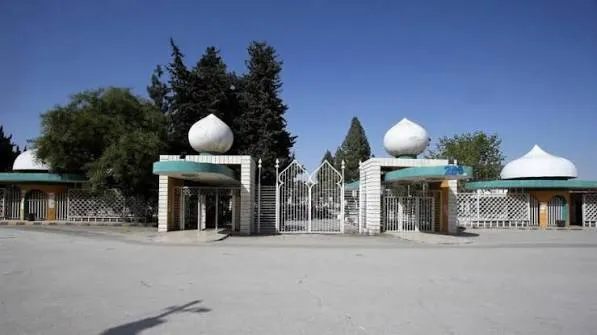
Educational tourism is a promising sector with immense potential to foster economic growth and sustainable development. Beyond its contribution to knowledge and cultural exchange, this type of tourism offers a wide array of economic benefits that can significantly bolster national economies, especially in countries striving to diversify their income sources and enhance their global standing. This article discusses the pivotal role of educational tourism in boosting the economy, while shedding light on existing challenges and providing policy recommendations for decision-makers.
The Concept of Educational Tourism
Educational tourism encompasses all activities undertaken by individuals who travel to destinations outside their usual environment for the purpose of learning and acquiring skills, attending academic conferences and seminars, or participating in cultural exchange and vocational training programs. These activities can range from language studies and higher education to specialized workshops and study tours. This type of tourism combines the pleasure of travel with the benefit of academic achievement, making it a unique experience with added value.
Economic Benefits of Educational Tourism
Educational tourism contributes to the national economy through several key channels:
- Attracting Foreign Currency: International students and researchers bring capital that is spent on tuition fees, accommodation, living expenses, transportation, and entertainment, representing a significant inflow of hard currency.
- Job Creation: This sector supports a wide range of direct and indirect jobs in education, hospitality, transportation, food services, and retail.
- Infrastructure Development: Growth in educational tourism necessitates investments in universities, student housing, recreational facilities, and transportation networks, benefiting the local community as a whole.
- Support for Local Businesses: Merchants and small business owners benefit from increased demand for goods and services provided to educational tourists and their companions.
- Fostering Innovation and Entrepreneurship: International students and researchers contribute to an environment of innovation, and some may choose to stay after completing their studies to establish new businesses, supporting long-term economic development.
Challenges Facing the Educational Tourism Sector
Despite its promising potential, the educational tourism sector faces several challenges that could hinder its growth, including intense competition from other international destinations, the need for advanced educational and tourism infrastructure, simplified visa procedures, and effective marketing and promotion of the educational destination.
Policy Recommendations to Boost Educational Tourism
To maximize the economic potential of educational tourism, policymakers and officials should take strategic and well-considered measures. Here are the main recommendations:
- Develop Educational and Tourism Infrastructure: Sustainably invest in modernizing universities and research centers, providing high-quality student housing, and improving transportation networks and service facilities.
- Simplify Visa and Immigration Procedures: Review and facilitate visa regulations for students and researchers, and provide clear and accessible pathways for temporary or permanent residency after graduation for promising talents.
- Effective International Promotion and Marketing: Develop targeted marketing campaigns in cooperation between ministries of education, tourism, and relevant bodies, highlighting the country's educational and cultural strengths on international platforms.
- Strengthen Public-Private Partnerships: Encourage joint investments in developing educational programs, establishing research centers, and providing support services for international students.
- Develop Scholarship and Cultural Exchange Programs: Launch attractive scholarship programs targeting outstanding students from around the world, and expand academic exchange agreements with leading educational institutions.
- Ensure Educational Quality and International Accreditation: Seek international accreditation for educational institutions and programs to enhance trust and credibility, and adhere to the highest academic quality standards.
- Support Social and Cultural Integration: Provide guidance and support programs for international students to help them integrate into the local community, and organize cultural and social events that foster mutual understanding.
Conclusion
Educational tourism represents a golden opportunity for countries aspiring to boost their economies and develop their societies. By adopting supportive policies and thoughtful investments, decision-makers can transform their countries into leading educational destinations, attracting talent, fostering innovation, and creating sustainable economic opportunities for future generations. Investing in this sector is not merely an economic investment; it is an investment in human and intellectual future.
