Integrated Tourism: Discover New Horizons Across Borders
Explore how cooperation between neighboring countries opens new horizons for travelers seeking unique cultural and natural experiences, fostering economy and mutual understanding.
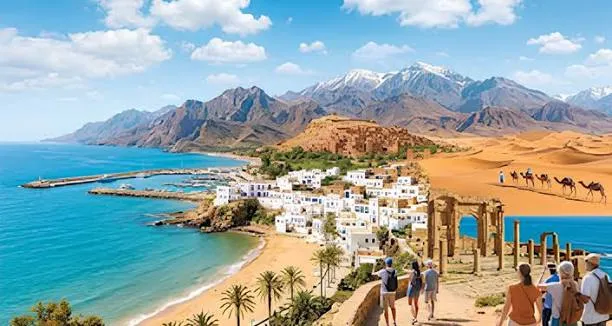
In an increasingly interconnected world, integrated tourism among neighboring countries stands out as a promising model for offering rich and diverse travel experiences. Travelers are no longer just looking for a single destination, but rather for a journey that extends across geographical and cultural borders, combining the charm of several countries into one harmonious experience. This approach not only enriches visitors' experiences but also deepens cultural and economic ties between peoples, opening new horizons for exploration and shared growth.
Why Integrated Tourism? Benefits Beyond Borders
Cross-border tourism is not merely a means of moving between countries; it is a comprehensive strategy aimed at maximizing shared benefits for an entire region. It offers travelers a unique opportunity to delve into the fabric of multiple cultures and diverse landscapes within a single journey, thus broadening their horizons and providing greater value for their investment.
Enhanced Travel Experiences for Visitors
- Cultural and Natural Diversity: Travelers can enjoy a unique blend of cuisines, arts, history, and landscapes that vary from one country to another, all within a single trip.
- More Efficient Journeys: Integrated tourism programs reduce the need for multiple logistical planning efforts, saving travelers time and effort, especially concerning visas and transportation.
- Added Value: Integrated packages are often more cost-effective compared to booking separate trips for each country, enhancing the traveler's experience.
Fostering Economic and Social Development
- Support Local Economies: Increased visitor numbers and spending contribute to supporting local businesses, creating job opportunities, and stimulating various sectors such as hotels, restaurants, and handicrafts.
- Infrastructure Development: Tourism cooperation encourages joint investment in developing and improving cross-border transportation networks, communications, and tourism facilities.
- Cultural Exchange and Understanding: Joint trips open channels for direct interaction between peoples, fostering mutual understanding and removing cultural barriers.
Types of Cross-Border Tourism Experiences
Integrated tourism takes many forms, each offering a unique experience tailored to different traveler interests:
Cultural and Historical Routes
Travelers can follow in the footsteps of ancient civilizations or explore the shared heritage of two or more countries. Consider ancient Silk Roads or historic pilgrimage routes that pass through various regions, offering deep insights into history, art, and beliefs.
Ecotourism and Adventures
For nature and adventure seekers, routes can be designed for hiking, cycling, or safaris that cross national parks and nature reserves spanning along borders, allowing for the exploration of unique biodiversity and breathtaking landscapes.
Festival and Event Tourism
Regional cooperation can create a shared calendar of festivals and cultural events, allowing travelers to experience unique and diverse celebrations across neighboring countries, such as joint art, music, or food festivals.
Challenges and Solutions for Successful Integration
Despite the clear benefits, regional tourism integration faces several challenges that require innovative solutions and continuous cooperation:
Visa and Transit Complexities
Differing visa requirements can be a stumbling block for travelers. Solutions include establishing a unified tourist visa for the region, simplifying visa-on-arrival procedures, or bilateral agreements to facilitate citizen movement.
Disparities in Infrastructure and Services
The quality of infrastructure and hospitality services can vary significantly between countries. This requires joint investment in improving roads, airports, and hotels, and establishing unified quality standards across the region to ensure a consistent experience for visitors.
Joint Marketing and Promotion
Instead of separate marketing, countries should collaborate on joint promotional campaigns that highlight the entire region as an integrated tourist destination. This approach increases visibility and attracts a wider segment of travelers.
Many regions around the world are moving towards this model, recognizing that cooperation brings benefits far exceeding what each country can achieve on its own. For instance, the European Union and regions like ASEAN (Association of Southeast Asian Nations) have made significant strides in facilitating cross-border travel, enriching their economies and their peoples' awareness of the world.
How to Plan Your Integrated Tourism Trip?
- Research Neighboring Destinations: Identify countries that share borders or have strong cultural and historical ties.
- Explore Joint Tourism Packages: Many travel agencies already offer itineraries designed to combine several countries.
- Check Visa Requirements: Make sure you understand all entry and exit requirements for each country you plan to visit.
- Plan Inter-Country Transportation: Look for efficient travel options such as trains, buses, or short flights between border cities.
- Be Prepared for Cultural Diversity: Enjoy the differences in customs, traditions, and cuisines between each destination.
"Traveling across borders is not merely a change of location, but an expansion of horizons and a deeper understanding of the world around us."
In conclusion, integrated tourism between neighboring countries represents the future of travel for those seeking deep and enriching experiences. It is a model that proves cooperation can create greater value for everyone, by offering unforgettable adventures that foster economic growth, cultural understanding, and open our eyes to the beauty and diversity of our world.
